Free general lifestyle information only — not medical, dietary, or professional advice. About · Privacy · Cookies · Terms
Macronutrients

Balancing Proteins, Fats, and Carbohydrates from Different Sources

Macronutrients are the scaffolding of every meal. When each category comes from several channels across the week, you naturally pick up a wider range of vitamins, minerals, and fibres — without turning dinner into a maths exercise.

Next: Colourful Plate

Protein Rotation in Real Kitchens

Dutch households often anchor dinner on chicken, minced beef, or eggs — reliable, quick, familiar. The gap appears when fish, legumes, dairy proteins, and plant options rarely appear. Research comparing dietary diversity scores with micronutrient adequacy suggests that spreading protein sources across the week is one of the simplest ways to widen intake.

Try a practical rhythm: two animal-based dinners, two legume-based, one dairy-forward (cottage cheese pancakes, Greek-style salad), one fish or tinned seafood, and one “wildcard” — tempeh, seitan, or a hearty mushroom stew. Tinned lentils cost less than fresh meat and cook in minutes; they suit Amsterdam apartments where space and time are tight.

Combine incomplete plant proteins across the day — rice and beans, bread and hummus — rather than worrying about each meal in isolation. Your body pools amino acids over twenty-four hours, so variety across meals matters more than perfection on a single plate.

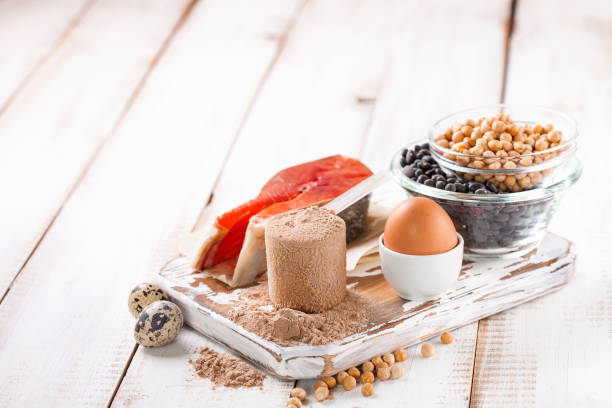
Varied protein sources including legumes, eggs, and fish

Fats: Quality Through Variety

Different fat sources carry distinct fatty-acid profiles and fat-soluble vitamins. Rotation beats fixation on a single “hero” oil.

Cooking Oils

Rapeseed oil (common in the Netherlands as koolzaadolie) handles heat well and provides monounsaturated fats. Olive oil suits dressings and low-heat finishing. Sesame oil — used sparingly — adds flavour to Asian-inspired stir-fries. Keeping two oils by the stove covers most weekday cooking without cluttering the cabinet.

Nuts & Seeds

Walnuts, flaxseed, and chia contribute alpha-linolenic acid — an omega-3 many diets under-represent. A tablespoon on porridge or blended into smoothies requires no recipe overhaul. Rotate: almonds for crunch on salad, pumpkin seeds in bread, sunflower seeds in muesli.

Dairy & Alternatives

Full-fat yoghurt, aged Gouda, and plant-based options like oat cream each behave differently in recipes. Small portions of cheese add flavour density, meaning you need less volume. If you use plant drinks, check whether they are fortified — calcium and B12 vary widely by brand in Dutch supermarkets.

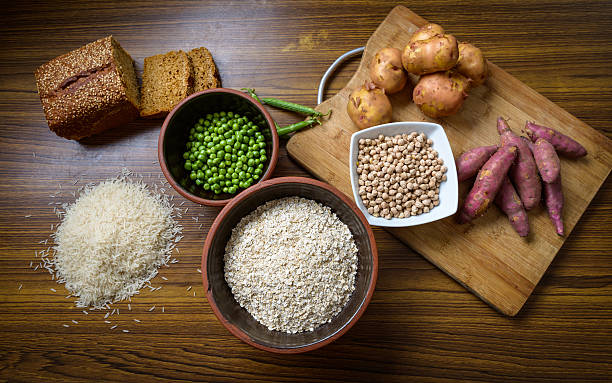
Whole grains and root vegetables as carbohydrate sources

Carbohydrates Beyond the Default

Carbohydrates are not a single category — they range from refined white flour to fibre-rich legumes that also count as protein. The Dutch love of bread is cultural and convenient; diversity means alternating formats, not abandoning tradition.

Consider a weekly carb map: Monday wholegrain pasta, Tuesday boiled potatoes with skin, Wednesday bulgur salad, Thursday rye crackers, Friday sweet potato wedges, weekend pancakes with buckwheat flour. Each source feeds gut bacteria differently and delivers distinct micronutrients — potassium in potatoes, beta-glucan in oats, resistant starch in cooled rice.

Batch cooking helps: a pot of farro or barley in the fridge becomes lunch bases for three days. Pair with rotating vegetables and proteins from earlier sections and you have a system, not a diet.

Putting It Together on One Plate

A simple template for balanced variety — adjust portions to appetite and activity.

  • Quarter protein: rotate animal, legume, dairy, or soy across days — not necessarily every meal.
  • Quarter diverse carbs: whole grains, starchy vegetables, or fruit — change the source mid-week.
  • Half vegetables: at least two colours when possible; frozen mixes count on busy nights.
  • Fat as flavour: a drizzle, handful of nuts, or cooking oil — varied across the week.

Research Notes Worth Knowing

Dietary Diversity Indices

Studies using dietary diversity scores (counting food groups consumed over a reference period) often find associations with higher micronutrient adequacy in adult populations. The mechanism is straightforward: more food channels mean more nutrient channels.

Timing Flexibility

Unless you have specific professional guidance, distributing macronutrients across the day flexibly works for most people. A carb-heavy breakfast and protein-heavy dinner — or the reverse — both fit diverse eating when weekly rotation is present.

Budget Rotation

Legumes, seasonal vegetables, eggs, and tinned fish are often cheaper per serving than fresh meat in Amsterdam supermarkets. Diversity can reduce cost when seasonal and plant-forward options lead the plan.

Health & Safety Guidelines

Seafood & Mercury

Rotate low-mercury options like salmon, mackerel, and sardines. NVWA advisories for sensitive groups apply in the Netherlands — check current guidance if you are pregnant or feeding young children.

Legume Preparation

Dried beans need soaking and thorough cooking. Canned legumes are pre-cooked — rinse to reduce sodium. Introduce fibre-rich foods gradually if your usual diet is low-fibre.

Professional Support

Kidney conditions, diabetes management, or eating disorder recovery require individual plans. This page describes general patterns only — not personalised prescriptions.

Events Calendar

DateEventLocationFocus
12 Jul 2026Protein Swap WorkshopBlasiusstraat 144Compare legume, dairy, and fish prep times for weeknight meals
26 Jul 2026Grain Tasting TableOnlineSample notes on farro, bulgur, and buckwheat — bring your own bowls

Register via contact form

FAQs

No. Weekly balance matters more than each plate. A fruit snack may be mostly carbohydrate; a handful of nuts is fat-forward — together they contribute to rotation across the day.
Many people meet protein needs with varied plants plus dairy or eggs. Individual requirements differ — consult a professional if you have specific goals or restrictions.