Free general lifestyle information only — not medical, dietary, or professional advice. About · Privacy · Cookies · Terms
Phytonutrients

Colours on the Plate: Vegetables & Fruits for Vitamins and Antioxidants

Plant pigments are nature’s labels. Green, red, and yellow foods tend to carry different families of vitamins and antioxidant compounds — which is why a plate dominated by one colour often signals a missed opportunity, not a failure.

Open Colour Calculator

Green: Chlorophyll & Beyond

Green vegetables — spinach, kale, broccoli, zucchini — are often praised for folate, vitamin K, and magnesium. Less discussed is how bitter greens like rocket stimulate appetite differently from mild lettuce, adding sensory variety that keeps salads from feeling repetitive.

In Amsterdam markets, winter kale (boerenkool) is a cultural staple for stamppot; in summer, cucumber and green beans dominate. Frozen spinach portions dissolve into pasta sauces unnoticed — a stealth green for reluctant vegetable eaters. Aim for at least one green serving daily, but rotate the species weekly so micronutrient profiles differ.

Research on cruciferous vegetables (broccoli, cabbage family) examines glucosinolates — sulphur compounds studied for their role in plant defence and human nutrition. You do not need to memorise chemistry; eating broccoli one week and bok choy the next covers the idea.

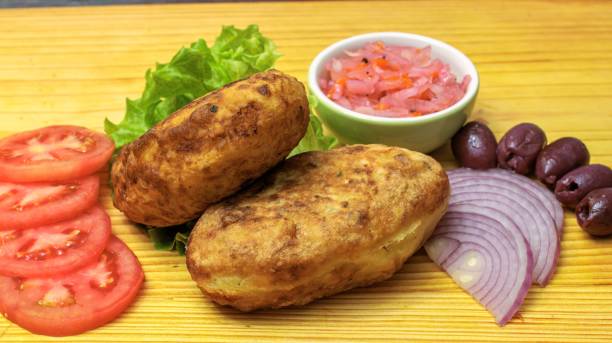
Green vegetables including kale, broccoli, and cucumber

Red & Purple: Anthocyanins and Lycopene

Red foods bring lycopene (tomatoes), anthocyanins (berries, red cabbage), and visual warmth to the plate.

Tomatoes & Peppers

Cooked tomatoes release lycopene more efficiently than raw — so pasta sauce counts nutritionally, not just comfort-wise. Red bell peppers offer vitamin C alongside sweetness that converts pepper skeptics. Roasting concentrates flavour with minimal effort.

Berries & Stone Fruit

Dutch summer brings strawberries from nearby farms; frozen berries work year-round in yoghurt and oats. Anthocyanin-rich foods are studied for antioxidant capacity in lab settings — on the plate, they mainly help you enjoy breakfast without added sugar.

Beetroot & Red Cabbage

Earthy beetroot grates raw into slaw or roasts for earthy sweetness. Red cabbage ferments into quick pickles that last weeks — a Dutch-adjacent preservation habit that adds crunch and colour to sandwiches.

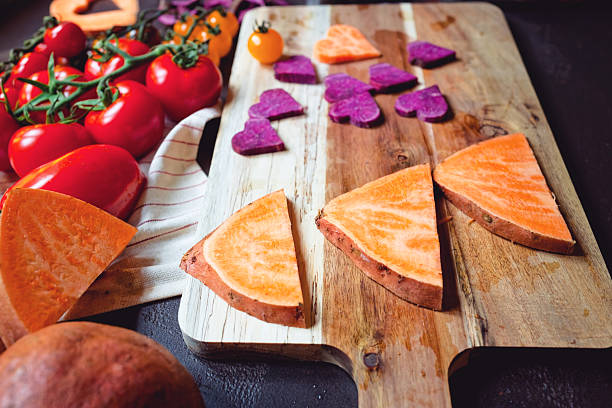
Yellow and orange fruits and vegetables on a wooden board

Yellow & Orange: Carotenoids

Carotenoids — precursors to vitamin A — give carrots, sweet potato, mango, and yellow peppers their hue. Fat helps absorption, so a drizzle of oil on roasted carrots is functional as well as tasty.

Yellow often gets neglected because it is less flashy than green marketing or red berry hype. Yet bananas, corn, and golden apples are affordable staples in Albert Heijn and Jumbo. A yellow pepper strip in lunch boxes takes seconds and prevents the “all green salad” fatigue.

Citrus adds yellow brightness and vitamin C, which supports iron absorption from plant meals — pair orange segments with lentil salad for a practical combination rooted in food chemistry, not fad rules.

Seeing Gaps Before They Become Habits

Photograph your lunch once a week — not for social media, but for honest review. If five consecutive photos look beige, you have data, not guilt. Add one colour the next shopping trip.

Green gap? → spinach, cucumber Red gap? → tomato, berry Yellow gap? → pepper, banana

Easy Combinations That Hit Multiple Colours

  1. Mixed frozen stir-fry veg plus fresh cherry tomatoes and a squeeze of lemon — three colours, one pan, ten minutes.
  2. Greek-style bowl: cucumber, roasted red pepper from a jar, chickpeas, lemon-tahini dressing — yellow-green-red in one lunch.
  3. Breakfast trifle: yoghurt layers with defrosted berries, grated apple, and crushed walnuts — no cooking required.
  4. Market rule: buy one item per colour lane at the stall; if a lane is empty, ask the vendor what is in season next week.

Health & Safety Guidelines

Wash Produce

Rinse fresh vegetables and fruits under running water. Peel waxed citrus if desired. NVWA guidance applies to imported and local produce sold in the Netherlands.

Supplements vs Food

Whole foods provide fibre and compound interactions supplements may not replicate. This site discusses food patterns — not replacement products or high-dose antioxidant pills.

Portion Awareness

Very high intake of carotene-rich foods can tint skin — harmless but surprising. Moderation and rotation prevent monotony at any extreme.

Events Calendar

DateEventLocationFocus
15 Jul 2026Rainbow Salad LabBlasiusstraat 144Build three-colour salads without a recipe book
29 Jul 2026Market Colour BingoNieuwmarktFind green, red, yellow items; share prep ideas afterward

FAQs

Yes. Aubergine, cauliflower, and onions add different compounds. The green-red-yellow framework is a simple starting lens, not an exclusive list.
Frozen produce is often snap-frozen near harvest and retains nutrients well. For busy weeks, frozen mixes support colour diversity when fresh options wilt in the fridge.