Free general lifestyle information only — not medical, dietary, or professional advice. About · Privacy · Cookies · Terms
Everyday habits

Variety as a Way to Keep Meals Interesting

Food is not mental health treatment — yet repetitive, joyless eating can feel dull. Small sensory surprises on the plate sometimes reopen curiosity when motivation for bigger life changes is low. General lifestyle ideas only.

Try Micro-Experiments

Monotony and the Narrowing Effect

When stress narrows decision-making, meals are often the first place shortcuts appear: same takeaway, same sandwich, same pasta shape every night. That saves cognitive energy short-term but can reinforce a sense that life is on repeat. Researchers studying habit loops note that environmental cues — the same kitchen view, same plate — trigger automatic choices without conscious engagement.

Introducing one new element breaks the loop lightly. Not a full diet overhaul: perhaps za’atar on eggs, or eating lunch in the park instead of at the desk. The shift registers as novelty in the brain’s salience networks, which some psychology literature links to improved momentary attention and reduced rumination — separate from any nutrient mechanism.

The frame matters: this is exploration, not self-improvement punishment. If a new food disappoints, you note it and move on. That low-stakes mindset keeps variety sustainable when mood is fragile.

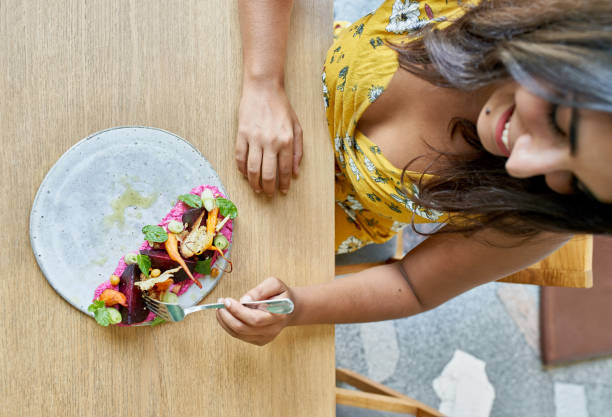
Person trying a new colourful dish with curious expression

Sensory Channels Beyond Taste

Variety is texture, sound, temperature, and colour — not flavour alone.

Temperature Contrast

Hot soup with cold yoghurt drizzle, or warm roasted vegetables on chilled lettuce, wakes up touch receptors. Warm meals in winter and crisp salads in summer align with seasonal mood rhythms many Dutch residents describe anecdotally — cosiness versus freshness.

Crunch & Quiet

Crunchy seeds on soft porridge, or silent silky soup after a loud office day, changes the eating experience. Auditory texture influences satisfaction studies in sensory science — crunch signals freshness to the brain even when calories are similar.

Visual Surprise

A purple carrot slice or edible flower on an otherwise plain bowl creates a micro-moment of delight. Visual variety supports the colourful plate nutritionally and emotionally — two benefits from one garnish.

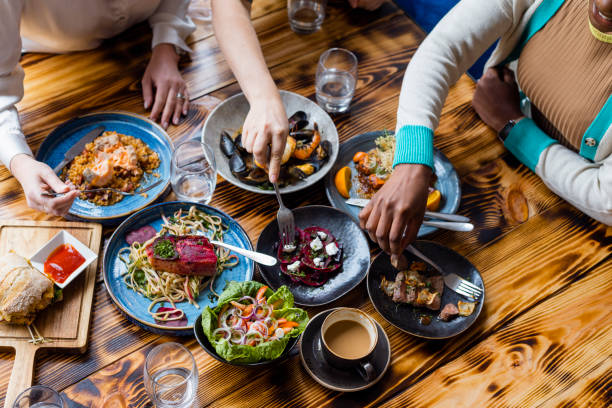
Friends sharing diverse dishes at a communal table

Social Eating & Belonging

Loneliness and repetitive solo meals often travel together. Sharing food — even one potluck dish — adds narrative: where the recipe came from, who taught you, what failed last time. Anthropologists describe commensality (eating together) as a bonding technology older than written language.

In Amsterdam, language-exchange dinners and community centre lunches offer low-barrier ways to diversify both social input and plate content. You are not required to perform wellness; showing up with shop-bought hummus and carrot sticks still counts as contribution and connection.

For households, rotating who picks the “wildcard vegetable” each week distributes decision fatigue and gives children agency — often linked in family feeding research with broader acceptance of new foods over time.

Micro-Experiments When Energy Is Low

  1. One herb rule: Buy the smallest bunch of an unfamiliar herb and scatter on anything — eggs, soup, toast. Discard the rest guilt-free if it wilts.
  2. Opposite texture day: If yesterday was soft stew, today add raw celery or pickled gherkin on the side — no new cooking required.
  3. Playlist pairing: Match dinner to music from a country whose cuisine you are sampling — sensory novelty through ears and taste together.
  4. Three-bite trial: Taste a new food three times on separate days before deciding. Sensory adaptation research suggests repeated mild exposure increases acceptance without pressure to “finish the plate.”

Boundaries Worth Stating Clearly

Food variety supports lifestyle richness; it is not a substitute for sleep, movement, social support, or professional mental health care when needed. If eating feels tightly controlled or anxiety-provoking, speak with a qualified counsellor or healthcare provider in the Netherlands. Our content describes general patterns for curious adults — not therapeutic protocols.

Health & Safety Guidelines

Emotional Eating Awareness

Notice when food is purely comfort versus hunger. Both are human; neither needs shame. Persistent distress around eating deserves professional conversation.

Alcohol at Social Meals

Dutch dining culture includes beer and wine. Alternate with water; NVWA guidelines define standard drinks. Variety in beverages can mean non-alcoholic options too.

No Miracle Claims

No single ingredient reverses mood disorders. We avoid promises and focus on small, repeatable sensory experiences that some people find pleasant.

Events Calendar

DateEventLocationFocus
5 Aug 2026Online Micro-Swap CircleVideo callShare one sensory experiment that felt uplifting — no pressure to continue
19 Aug 2026Shared Table EveningBlasiusstraat 144Potluck with story cards about each dish’s origin

FAQs

No. Variety and shared meals may complement wellbeing routines, but they do not replace licensed mental health support when you need it.
Small, nutrient-dense portions and familiar bases with one new garnish may feel easier than large experimental meals. Discuss persistent appetite changes with a healthcare provider.